

Understanding Casino Psychology and Strategy
Engaging in casino games is not solely about luck; it involves a significant psychological component and strategic thinking. Many players overlook the mental aspects, falling prey to common cognitive biases that can lead to poor decision-making and increased losses. Recognizing these psychological traps is the first step towards playing smarter and enhancing your overall casino experience, and for more information on educational resources that foster critical thinking, you can click here.

A brilliant casino mind game involves a deep understanding of probability, risk management, and emotional control. This means approaching each session with a clear plan, setting realistic goals, and knowing when to walk away. It’s about treating gambling as a form of entertainment that requires a certain level of discipline and mental fortitude, rather than a guaranteed path to riches. This proactive mindset is crucial for sustainable enjoyment and responsible play.
The Art of Bankroll Management
Effective bankroll management is the cornerstone of any intelligent casino strategy. It involves setting a strict budget for your gambling activities and adhering to it without exception. This includes determining how much you can afford to lose and dividing it into manageable sessions, ensuring that a single bad run doesn’t deplete your entire gambling fund. This discipline protects your finances and allows for a longer, more enjoyable gaming experience.
Implementing a sound bankroll management system also involves setting win limits and loss limits for each gaming session. Knowing when to stop, whether you’re on a winning streak or experiencing losses, is a sign of a smart player. This prevents impulsive decisions driven by greed or frustration, safeguarding your capital for future opportunities. This disciplined approach transforms gambling from a reckless gamble into a controlled form of entertainment.
Leveraging Probability and Odds
A fundamental aspect of playing smarter in a casino is understanding the underlying probabilities and odds of each game. While no game guarantees a win, knowing the house edge and the statistical likelihood of certain outcomes allows players to make more informed choices. This knowledge empowers players to select games that offer better odds or to employ strategies that can mitigate the house’s advantage, even if only slightly.
For instance, in games like blackjack, understanding basic strategy can significantly reduce the house edge. Similarly, in roulette, knowing the payout structures and the probability of different bets can help in making more calculated wagers. This isn’t about predicting the future but about making decisions based on mathematical principles, which is a key differentiator for players who aim to play smarter rather than just relying on luck. This strategic approach is a core element of a brilliant casino mind game.
Emotional Discipline and Cognitive Biases
Casino environments are designed to be stimulating, and the inherent unpredictability of games can evoke strong emotions. Recognizing and controlling these emotions is paramount. Fear of missing out, the thrill of a win, or the sting of a loss can all cloud judgment. A brilliant casino mind game requires the ability to remain calm and objective, making decisions based on strategy and probability, not emotional impulses.
Players must also be aware of common cognitive biases. The Gambler’s Fallacy, for example, is the mistaken belief that past independent events influence future outcomes – just because red has come up five times in a row on roulette doesn’t make black any more likely on the next spin. Understanding and actively combating these biases is crucial for maintaining a rational approach, a hallmark of a player who plays smarter, not harder.
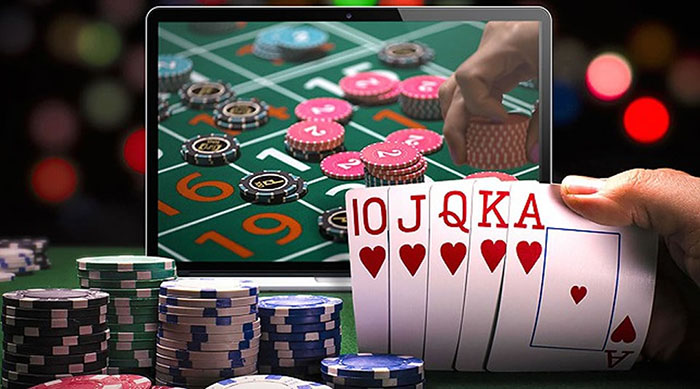
Exploring Ponitz CTC’s Approach to Responsible Gaming
For those seeking to refine their casino mind game, understanding the principles of responsible gaming is essential. Ponitz CTC, through its educational focus, implicitly advocates for informed decision-making and strategic thinking, which are directly applicable to casino entertainment. While not a gambling platform itself, the institution’s emphasis on critical thinking and practical skills can foster the mindset needed to approach any activity, including gaming, with a more intelligent and controlled perspective.
The core tenets of playing smarter – understanding odds, managing resources, and maintaining emotional control – align perfectly with the responsible gaming ethos. By encouraging a proactive and analytical approach, institutions like Ponitz CTC indirectly support the development of individuals who can engage in casino activities with a clearer understanding of the risks and rewards, ensuring that entertainment remains just that, and is not overshadowed by detrimental outcomes.
