


The synergy between bookkeeping and accounting is about more than their individual roles—it’s about creating a comprehensive financial system. Bookkeeping provides the structure and reliability needed for accurate records, while accounting transforms those records into actionable insights. This combination ensures businesses operate smoothly in the short term while planning strategically for the future. Accountants provide in-depth financial analysis and insights, generating tax returns and reports, whereas bookkeepers focus on recording daily transactions. This distinction enables accountants to offer strategic guidance and planning, setting them apart from bookkeepers. Bookkeeping is the process of recording and managing financial transactions, such as income and expenses, to ensure accurate financial records.
Create a chart of accounts
For those who love working with numbers and are interested in the nitty-gritty financial aspects of a business, a career as a bookkeeper or an accountant may be the perfect opportunity. Some accountants will choose to pursue their industry credentials as a certified public accountant (CPA), which will influence their earning potential. According to Salary.com, accountants who have earned their CPA can earn anywhere between $70,235 and $461,014, as of April 2025. Salary expectations are based on a variety of factors, including location, education, years of experience, industry or business type, and certification. That said, the current median annual salary https://www.bookstime.com/ for a bookkeeper is $47,440, or $81,680 for an accountant.

Explore more from Business Essentials

In contrast, accountants are expected to see about a 6% growth in jobs during the same period. People who want more job stability may want to focus on accounting instead of bookkeeping. Accountants usually need more education, such as a bachelor’s difference between bookkeeping and accounting degree or higher.
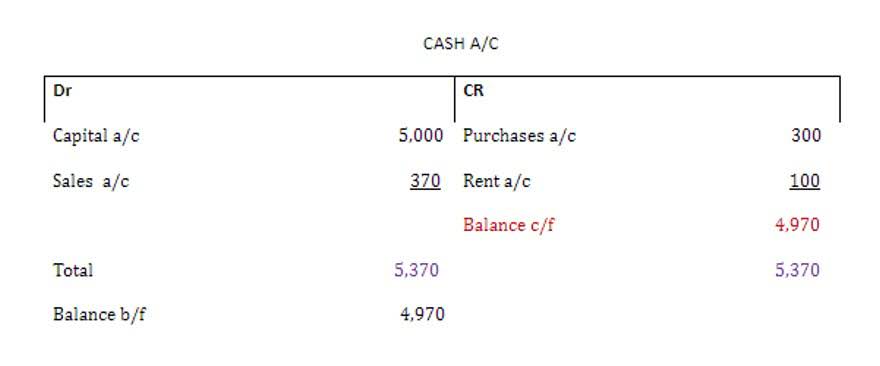
Accounting Degree and Programs
Accountants are trained financial analysts who interpret your business data to provide strategic insights and ensure compliance. Accurate financial records are essential for making informed decisions, meeting tax obligations, and providing necessary information to stakeholders. Accountants, on the other hand, require analytical skills, a deeper understanding of financial principles, knowledge of accounting standards, and often more advanced education. They must be able to draw broader conclusions about a company’s finances using financial data. Bookkeepers typically use bookkeeping software to handle day-to-day tasks, such as invoicing clients, tracking accounts payable and receivable, and reconciling bank and credit card statements.
Union Budget 2026-27: Impact on Taxation, MSME Growth
Together, these Grocery Store Accounting functions ensure that businesses comply with regulations, manage cash flow effectively, and plan for growth. FreshBooks stands out for its easy invoicing and expense tracking, ideal for freelancers and small business owners. Most bookkeeping software also supports receipt capture, customer management, and data export for accountants.
- To earn this title, bookkeepers must demonstrate their expertise in double-entry bookkeeping, knowledge of relevant software, and understanding of relevant business laws.
- Easy Doc Filing, LLC, and its employees, agents, and representatives, are not affiliated with the Internal Revenue Service (“IRS”) or any other governmental or regulatory body or agency.
- Accountants analyze this financial data and perform higher-level tasks such as generating financial reports, offering insights on business performance, and ensuring compliance with regulations.
- Bookkeeping focuses on the day-to-day financial activities and transactions of a business.
- Both are used by accountants to track results and report to owners or investors.
- Bookkeepers can leverage their existing abilities as they move into an accounting role.
Once the bookkeeper posts all transactions, the accountant generates a trial balance that lists all business accounts and balances. Accountants will then use the updated trial balance to produce financial statements. Knowing the difference between bookkeeping and accounting can be tricky, especially with the interchangeability of the terms and how the duties can overlap. Regardless of the type of bookkeeping a company chooses, recording the day-to-day business financial transactions is an integral part of accounting. Effective bookkeeping and accounting work together to resolve this critical challenge. Bookkeepers primarily rely on transactional tools such as spreadsheets and data entry systems designed to record and organize financial activities efficiently.

Analytics & Reporting
- They take care of accounts receivable (money owed to the business) and accounts payable (money the business owes).
- They turn raw data into insights for financial planning, tax compliance, and business growth.
- The primary focus is on maintaining accurate and complete financial records in a systematic manner.
- Accurate bookkeeping is critical for business as it gives a piece of reliable information on the performance of a company.
- Bookkeeping offers fewer steps for career advancement, and most positions are entry- to mid-level.
- Bookkeeping focuses on recording and organizing daily financial transactions, while accounting analyzes this data to inform strategic decisions.
Payments automatically sync with your books, reducing reconciliation work and keeping your financial records accurate. If you charge by the hour or manage client projects, accurate time tracking is critical. FreshBooks includes built-in timers that let you track work in real time or log hours manually. For service-based businesses, time tracking and expense capture are critical. FreshBooks allows you to track billable hours using built-in timers and automatically convert tracked time into invoices.
