

The Psychology of Chance and Skill in Casino Games
At the heart of every casino gamble lies a complex interplay between psychology, probability, and human desire. Players are drawn to the casino not just for the potential of financial gain, but for the thrill of the unknown, the rush of anticipation, and the seductive promise of a life-altering win. This allure is deeply rooted in our innate fascination with chance and the hope that skill or intuition can somehow influence outcomes governed by randomness, and it’s a phenomenon that many find themselves drawn to explore further, sometimes even seeking out resources like spinsup casino login for insights.
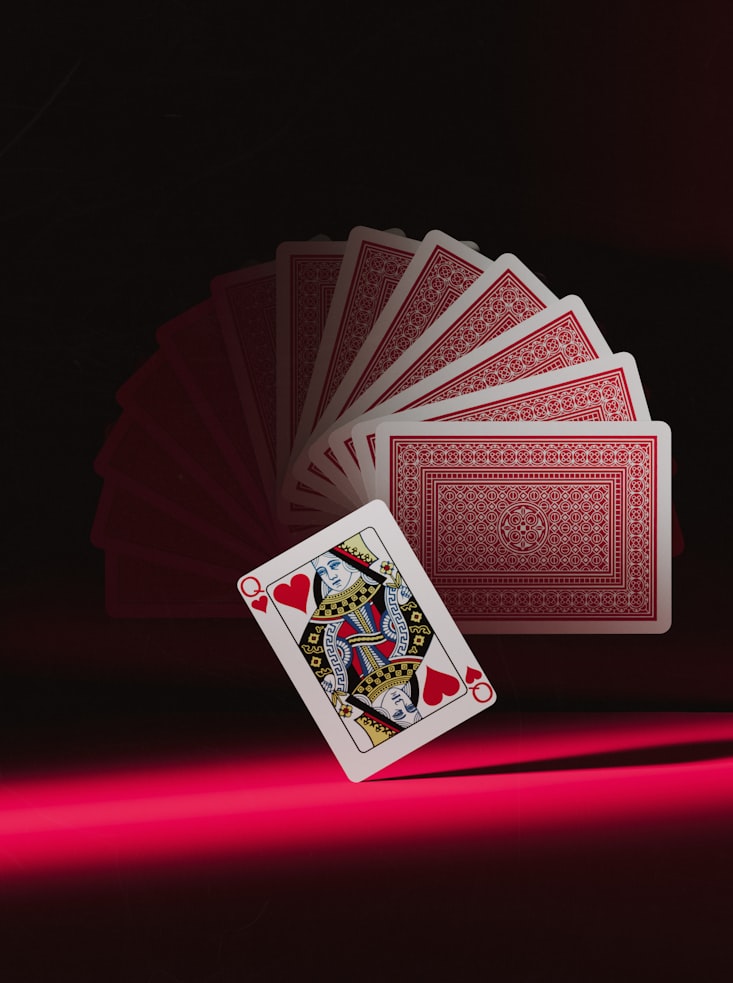
Understanding the philosophy of casino gambling requires acknowledging the cognitive biases that often influence decision-making. The gambler’s fallacy, for instance, is the mistaken belief that past independent events can affect the probability of future events, leading players to chase losses or over-rely on “hot streaks.” Conversely, the illusion of control can lead players to believe their actions or rituals can impact the random outcome of a game like roulette or slots.
Navigating Risk and Reward: The Casino’s Calculated Design
Casinos are meticulously designed environments that leverage psychological principles to enhance the player experience and, by extension, their own profitability. The absence of clocks, the ambient music, and the visually stimulating decor all contribute to an atmosphere where time seems to warp, encouraging longer play sessions. This environment is a deliberate construction aimed at facilitating the delicate balance between perceived excitement and calculated risk.
The core philosophy of any casino operation is to offer games that, over the long term, are statistically in favor of the house. This house edge is not about cheating, but about the inherent mathematical advantage built into each game. Players, however, are often captivated by the potential for short-term wins, the exhilarating moments of hitting a jackpot, or outsmarting an opponent in a game of skill like poker. This dynamic creates a fascinating tension between rational understanding of probability and the emotional pursuit of reward.
The Art of Strategy vs. The Embrace of Randomness
Many casino games offer layers of strategy, appealing to players who enjoy intellectual engagement and believe they can improve their odds. Games like blackjack and poker involve decision-making that can significantly impact the player’s return, albeit still within the bounds of probability. The philosophy here is one of informed participation, where knowledge and skillful play can mitigate the house edge to some extent.
However, even in games with strategic elements, the ultimate outcomes are often subject to the unpredictable nature of chance. A skilled poker player can still lose to a lucky hand, and a blackjack player employing perfect strategy can still be affected by unfavorable card distributions. This blend of strategy and randomness is a key philosophical component of casino gaming, offering different experiences for different types of players, from those seeking pure entertainment to those who relish the challenge of mastering complex systems.
The Human Element: Social Dynamics and Entertainment Value
Beyond the numbers and strategies, a significant part of the casino gamble’s philosophy lies in its social and entertainment value. Casinos are often vibrant social hubs where people gather to share experiences, excitement, and camaraderie. The communal aspect of playing at a table, celebrating wins, and commiserating over losses adds a rich human dimension to the gambling experience.
The entertainment aspect cannot be overstated. For many, a trip to the casino is a form of leisure, a chance to escape the mundane and immerse themselves in an exciting world. The sounds, sights, and the sheer energy of a casino floor are designed to be captivating. This philosophy of entertainment, where the experience itself is a primary reward, often transcends the focus on monetary outcomes, making the gamble an attractive form of recreation.
Exploring Disposable Courses and Casino Education
The concept of “disposable courses” can be interestingly linked to the educational aspect of understanding casino games, particularly through platforms like coursedescartables.org. While the term “disposable” might initially suggest fleeting or temporary content, in the context of education, it could imply accessible, focused modules designed for rapid learning or skill acquisition relevant to casino environments. These courses might delve into the fundamental rules of popular games, introduce basic strategic approaches, or even explore the psychological facets of gambling.
Platforms offering such educational materials can demystify the complex world of casinos, providing a structured way for individuals to learn about games like poker, blackjack, or roulette. This can empower players to engage more confidently and perhaps more responsibly. By breaking down game mechanics and probabilities into digestible lessons, these “disposable courses” can serve as an accessible entry point for anyone curious about the philosophy and practice behind casino gambling, offering a practical application of understanding risk, reward, and strategy.
