

Introduction: The Importance of First Impressions in Online Casinos
When you visit an online casino, your first impressions matter immensely. Within seconds, players decide if they want to stay or leave. This reaction primarily hinges on the interface design and overall aesthetic appeal of the site. A sleek, visually appealing platform that is easy on the eyes can foster a sense of trust and excitement.
Let’s consider the navigation structure. Smooth navigation is vital for player engagement. If players can easily find their favorite games or promotions without frustration, they are more likely to stay and explore. This ease of access contributes to enhanced user satisfaction, as it aligns with their expectations of a seamless gameplay experience.
Additionally, the significance of usability feedback should not be underestimated. When an online casino actively seeks and integrates player input, it demonstrates a dedication to enhancing the overall experience. This proactive stance not only boosts onboarding efficiency but also elevates brand perception, as players feel appreciated when their insights are acknowledged. Consequently, this fosters a deeper connection with the brand, ultimately enhancing player engagement and ricky casino.
- Effective interface design boosts initial trust.
- Clear navigation enhances user experience.
- Responsive design ensures accessibility across devices.
In conclusion, first impressions in online casinos set the stage for player retention. A well-designed platform that emphasizes overall accessibility and user-centered features will likely keep players returning for more. Engaging users from the very first click is the cornerstone of a successful online casino experience.
Interface Design: Crafting an Intuitive User Experience
When we talk about interface design, we’re diving into the world of user-centric solutions. The goal here is to create a seamless experience that feels natural to the user. Think about your favorite apps or games. What keeps you coming back? It often boils down to the navigation structure and how intuitive everything feels.
A key player in this process is usability feedback. Gathering insights from users can dramatically improve the interface. For instance, if players struggle to find a critical feature during gameplay, you might need to rethink its placement. Adjustments based on real user experiences enhance player engagement and, ultimately, user satisfaction.
But interface design isn’t just about functionality. It’s also about aesthetic appeal. A visually pleasing interface can vastly enhance the overall experience. Colors, fonts, and layout contribute not just to beauty but to clarity. A well-designed interface can elevate your brand perception, making users feel more connected to your product.

Let’s not overlook onboarding efficiency. A smooth onboarding process is crucial for keeping new users interested. If users can quickly grasp how to navigate your interface, they’ll be more likely to stay. This can significantly impact the overall accessibility of your platform.
In summary, crafting an intuitive user experience demands a blend of aesthetics, usability, and feedback. Focusing on these elements will not only enrich the gameplay experience but also contribute to the long-term success of your application.
Usability Feedback: Gathering Insights from Players
When it comes to enhancing player engagement, usability feedback is invaluable. Gathering insights from players allows developers to fine-tune the interface design and ensure that the gameplay experience resonates with users. After all, a polished interface can significantly boost user satisfaction.
One effective method for collecting feedback is through surveys. These can range from simple multiple-choice questions to open-ended prompts. For instance, asking players about their thoughts on the navigation structure can unveil strengths and weaknesses that might not be immediately apparent. A player may enjoy the aesthetic appeal but find the onboarding efficiency lacking, which can negatively impact their overall accessibility to the game.
Another valuable approach is user testing sessions. Observing players as they navigate the interface offers real-time insights. Watching someone struggle to locate a specific feature can highlight crucial areas for improvement. It’s essential to see firsthand how players interact with your game—you might discover that what seemed obvious to developers was confusing to users.

Lastly, consider utilizing social media and gaming forums as platforms for informal feedback. Players often share their experiences and opinions in these spaces. Engaging with your audience on these platforms can enhance brand perception and foster a community that feels heard.
Incorporating usability feedback into your design process isn’t just beneficial—it’s necessary. As you refine your game based on these insights, the relationship between your players and the game itself will flourish, resulting in a more satisfying experience for everyone involved.
Enhancing Player Engagement Through Aesthetic Appeal and Navigation Structure
When it comes to game design, interface design plays a crucial role in shaping the gameplay experience. A well-crafted interface isn’t just about looks; it’s about functionality. Players often leave games that are hard to navigate. Imagine trying to solve a puzzle in a game but struggling to find the next clue because of a cluttered screen. This scenario shows how essential a clear navigation structure is for maintaining player engagement.
Think about your favorite game. What keeps you coming back? Often, it’s the seamless transition from one stage to the next, guided by intuitive controls. When players encounter a well-designed interface, it enhances user satisfaction. They can focus on gameplay instead of figuring out how to access features. Usability feedback from players can guide developers to tweak designs, ensuring the visuals not only look good but also serve a purpose.
Moreover, aesthetic appeal directly affects brand perception. If a game looks polished and professional, players are more likely to trust it. Visual elements should complement the narrative and the gameplay, integrating themes that resonate with the audience. This fusion enriches the overall accessibility of the game, ensuring that even newcomers feel welcomed.
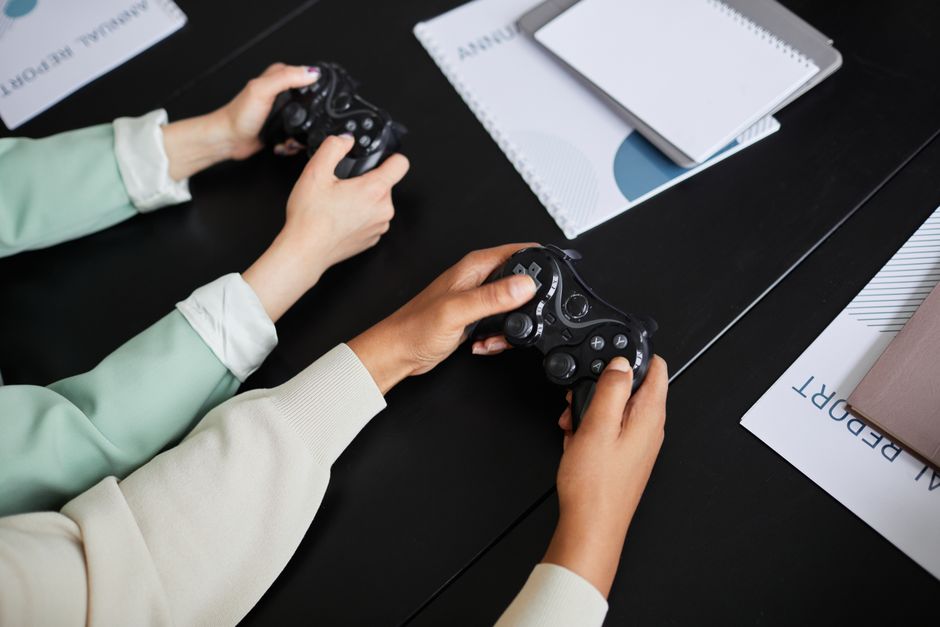
Lastly, let’s not forget onboarding efficiency. A game that offers solid tutorials while maintaining visual appeal can set the stage for a rewarding journey. When players grasp controls quickly, their enthusiasm grows. This initial engagement lays the foundation for ongoing interaction, ultimately shaping their gaming experience.
Onboarding Efficiency: Streamlining the New Player Experience
When it comes to enhancing onboarding efficiency, the focus should be on creating a seamless new player experience. The first impression is crucial. An intuitive interface design can set the tone for lasting player engagement. Players should feel welcomed, not overwhelmed. A strong navigation structure, featuring clear pathways and prompts, can guide newcomers effectively.
Collecting usability feedback is essential. This allows developers to pinpoint areas needing improvement. For instance, if players struggle with initial tasks, it may indicate that the overall accessibility of your game requires refinement. Simple adjustments can significantly enhance their gameplay experience.
Moreover, consider how aesthetics play a role. A visually appealing onboarding process contributes to a positive brand perception. Balancing aesthetic appeal with functionality ensures players remain engaged without sacrificing usability.
Incorporating interactive tutorials can boost user satisfaction. Instead of dry tutorials, why not present information in a fun, engaging way? This encourages exploration and fosters a deeper connection with the game world. Ultimately, a well-designed onboarding process not only improves player retention but also elevates the overall experience.
Conclusion: The Impact of User Experience on Brand Perception and Overall Satisfaction
User experience is not just a feature; it’s a fundamental aspect shaping brand perception. When players encounter smooth interface design and effective onboarding efficiency, their engagement skyrockets. Think of a game that captivates you from the first click. Those positive feelings directly impact how you view the brand. Usability feedback plays a crucial role here. Brands that listen to their audience tend to create experiences that resonate.
Consider the importance of navigation structure and overall accessibility. A well-designed interface invites exploration, turning casual players into loyal fans. This connection enhances user satisfaction, leading to a stronger brand loyalty. Aesthetic appeal also matters. Visual consistency reinforces credibility and creates an inviting ambiance. If players find joy in the gameplay experience, they are more likely to recommend the game.
In conclusion, brands must prioritize user experience to foster positive perceptions. Neglecting it can lead to frustration, diminishing player engagement. So, let’s remember: the journey through a game should feel as rewarding as the destination.
