

The fascinating journey of casinos From ancient taverns to Pin Up casino mega resorts
The Origins of Gambling: Ancient Taverns
The journey of casinos can be traced back thousands of years to the ancient taverns where gambling first gained popularity. In these establishments, patrons gathered to partake in various games of chance, often involving rudimentary betting systems. Archaeological findings suggest that the earliest forms of gambling can be found in ancient China, where tiles were discovered that date back to around 2300 BC. These primitive games laid the groundwork for a tradition that would evolve and flourish over centuries. Even in modern times, platforms like Pinup are reminiscent of those early taverns.
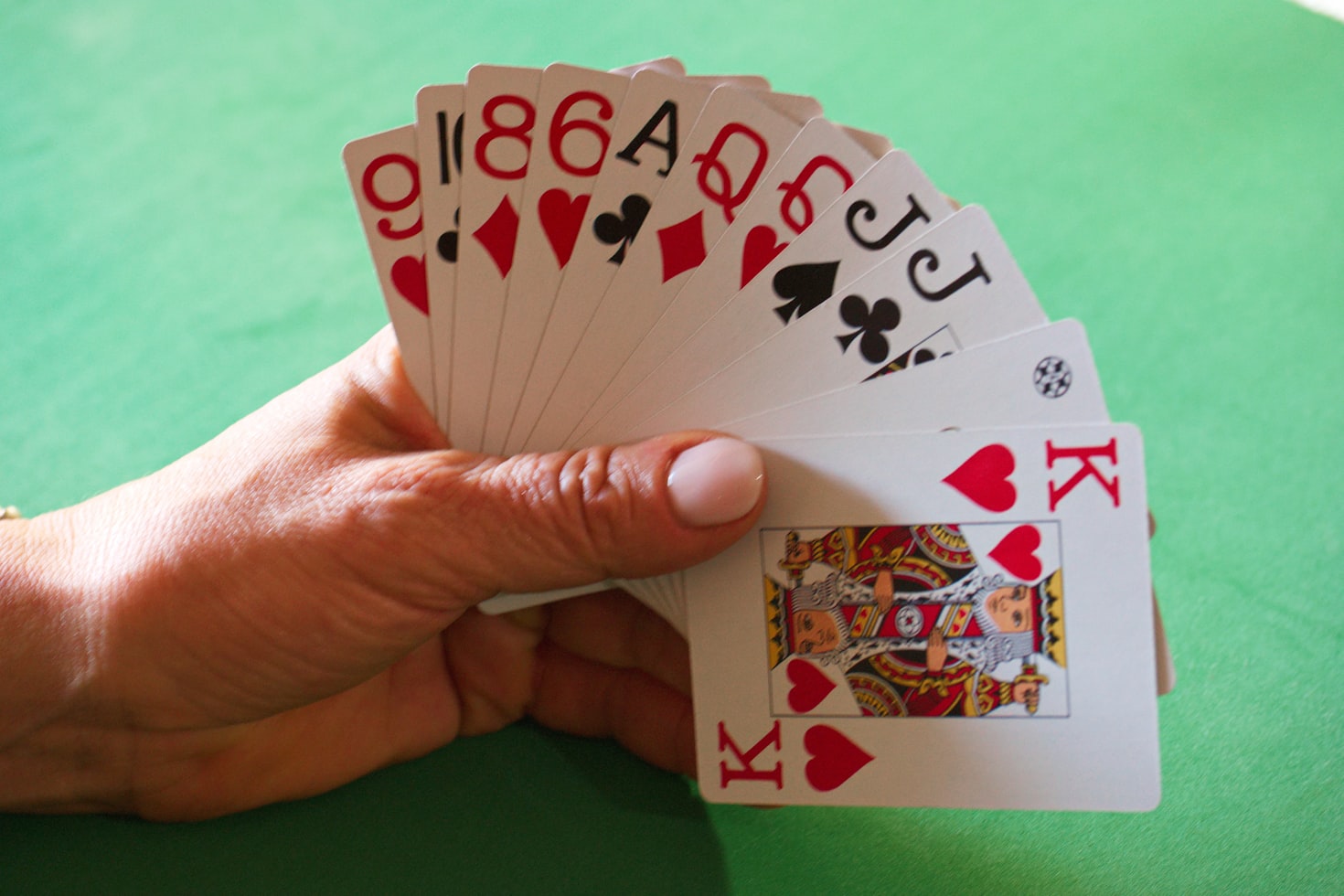
As societies grew and developed, the concept of gambling spread to different cultures. In ancient Rome, for instance, gambling became a popular pastime among citizens. The Romans played a variety of games, including dice games and betting on gladiatorial contests. These early forms of betting not only provided entertainment but also fostered a sense of community among participants, which would become a hallmark of modern casinos.
With the passage of time, taverns evolved into more structured environments where gambling could flourish. The establishment of laws and regulations around gambling practices further legitimized these activities, setting the stage for the birth of formal casinos. The transition from informal taverns to organized gaming establishments marked a significant turning point in the history of gambling, paving the way for future developments.
The Rise of Formal Casinos in Europe
The 17th century witnessed the emergence of the first official casinos in Europe, particularly in Italy. The Casino di Venezia, established in 1638, is often recognized as the oldest existing casino in the world. These early casinos attracted a clientele that included aristocrats and wealthy merchants, all eager to indulge in games of chance in elegant surroundings. The opulence of these venues laid the foundation for the lavish casino experience we recognize today.
In the following centuries, casinos spread throughout Europe, with notable locations emerging in Monte Carlo and Baden-Baden. These luxurious establishments not only offered gambling but also served as social hubs where the elite could mingle and enjoy high-end entertainment. The concept of “the house edge” began to take shape during this period, ensuring that casinos maintained a statistical advantage over players, which remains a key aspect of modern gaming.
The popularity of casinos continued to soar, culminating in the establishment of regulations that governed their operations. This shift not only increased the legitimacy of gambling but also promoted tourism in various regions, turning cities like Las Vegas and Macau into gambling meccas. The transformation from informal gaming in taverns to structured casino environments highlights the evolution of gambling into a sophisticated form of entertainment.
The Global Expansion of Casinos in the 20th Century
The 20th century brought about unprecedented changes in the gambling landscape, particularly with the introduction of casinos in the United States. Las Vegas, in the 1940s and 50s, became the epicenter of casino culture, characterized by glamorous shows, luxurious accommodations, and an array of gaming options. The city’s ability to combine entertainment with gambling attracted millions of visitors annually, establishing it as a premier destination for gaming enthusiasts.
As the popularity of casinos grew, other regions also began to explore the potential of gambling as an economic driver. Places like Atlantic City emerged as alternative gambling hubs, offering similar attractions to Las Vegas. Internationally, countries such as Australia and Singapore opened up their markets to casino developments, showcasing how gambling can serve as a significant source of revenue for governments.
This global expansion was further fueled by technological advancements in gaming. The introduction of electronic gaming machines and online casinos in the late 20th century revolutionized the industry, allowing players to engage in gambling from the comfort of their homes. This transition underscored the adaptability of the casino industry, positioning it to thrive in a rapidly changing world.
The Digital Transformation of Gambling
As technology evolved, so did the landscape of gambling. The internet played a pivotal role in transforming traditional casino operations into digital formats. Online casinos began to emerge in the late 1990s, allowing players to access a vast array of games from their computers. This innovation brought convenience and accessibility to gambling, making it possible for anyone with an internet connection to participate.
Mobile technology further revolutionized the casino industry, with players now able to gamble on smartphones and tablets. This shift not only expanded the audience for online gaming but also led to the creation of specialized mobile applications that enhance the user experience. Players can enjoy live dealer games, engage in virtual poker tournaments, and explore various slots on-the-go, making gaming more flexible than ever.
Despite the convenience of online gaming, the allure of physical casinos remains strong. Many modern establishments combine both elements, offering online platforms alongside their brick-and-mortar venues. This hybrid model allows casinos to cater to a broader audience and adapt to shifting consumer preferences, further cementing their place in the entertainment industry.

The Emergence of Mega Resorts: The Pin-Up Casino Experience
The casino experience has reached new heights with the advent of mega resorts like Pin-Up Casino, which exemplifies the evolution of gambling into a comprehensive entertainment experience. Located in vibrant markets across Africa, these resorts offer not just gaming options but also luxurious accommodations, fine dining, and various entertainment activities. The Pin-Up Casino brand is designed to attract players seeking a more immersive experience, combining high-stakes gaming with leisure and luxury.
At Pin-Up Casino, players can explore an extensive library of over 5,000 games, ranging from classic slots to innovative live dealer options. This vast selection caters to all tastes and preferences, ensuring that every visitor finds something to enjoy. The casino is optimized for both desktop and mobile access, allowing for seamless gameplay regardless of location, which is a testament to the modern gaming experience.
Moreover, Pin-Up Casino places a strong emphasis on security and local payment methods, ensuring that players can gamble with confidence. This focus on user experience not only builds trust but also encourages responsible gaming practices, setting a standard for other operators in the industry. As mega resorts continue to thrive, they represent the culmination of centuries of gambling evolution, blending history with contemporary gaming technology.
