

Understanding the psychology of gambling What drives our risk-taking behavior
The Allure of Risk in Gambling
The thrill of gambling often stems from the allure of risk, which is deeply embedded in human psychology. Many individuals are drawn to the excitement of potentially winning big, which can trigger feelings of euphoria. This interplay between risk and reward activates the brain’s pleasure centers, releasing dopamine and creating a sense of exhilaration that can be hard to resist. You can discover more about this at https://slotsshine.uk/.

Cognitive Biases and Gambling Behavior
Cognitive biases significantly influence how gamblers perceive their chances of winning. One common bias is the illusion of control, where individuals believe they can influence the outcome of a game despite it being purely based on chance. This false sense of agency often encourages more risk-taking behavior as players convince themselves that skill and strategy can alter their fortunes. Famous gambling legends have often highlighted this very illusion.
Additionally, the gambler’s fallacy plays a role, where individuals incorrectly believe that past events can affect future outcomes in random games. This leads to decisions that disregard the laws of probability, reinforcing a cycle of continued play and risk-taking. Understanding these cognitive distortions can illuminate why individuals may pursue gambling, even in the face of unfavorable odds.
The Role of Emotions in Gambling Decisions
Emotional factors play a crucial role in gambling behavior. For many, gambling serves as an escape from everyday stresses or emotional turmoil. Engaging in risk-taking can offer a temporary respite, providing a thrill that distracts from life’s challenges. This emotional reprieve can create a compulsion to gamble, even when individuals are aware of the risks involved.
Moreover, positive and negative emotions can significantly influence gambling decisions. When feeling lucky or euphoric, players may take larger risks, while negative emotions might drive individuals to gamble in an attempt to recover losses. This emotional rollercoaster highlights the complex relationship between feelings and gambling, emphasizing how deeply intertwined risk-taking behaviors are with our emotional states.
Social Influences on Gambling Behavior
Social dynamics can heavily influence gambling behavior, as individuals often engage in gambling activities within groups. Social validation, peer pressure, and communal experiences can amplify the thrill of risk-taking. When friends or family members participate in gambling, it can create a sense of camaraderie that encourages individuals to join in, often leading to more significant risk-taking.
Moreover, exposure to gambling environments and cultural attitudes towards risk can shape an individual’s propensity to gamble. In societies where gambling is normalized or glamorized, individuals may be more likely to engage in these activities. This social context highlights how external factors can shape internal motivations, encouraging risk-taking behaviors in gambling.
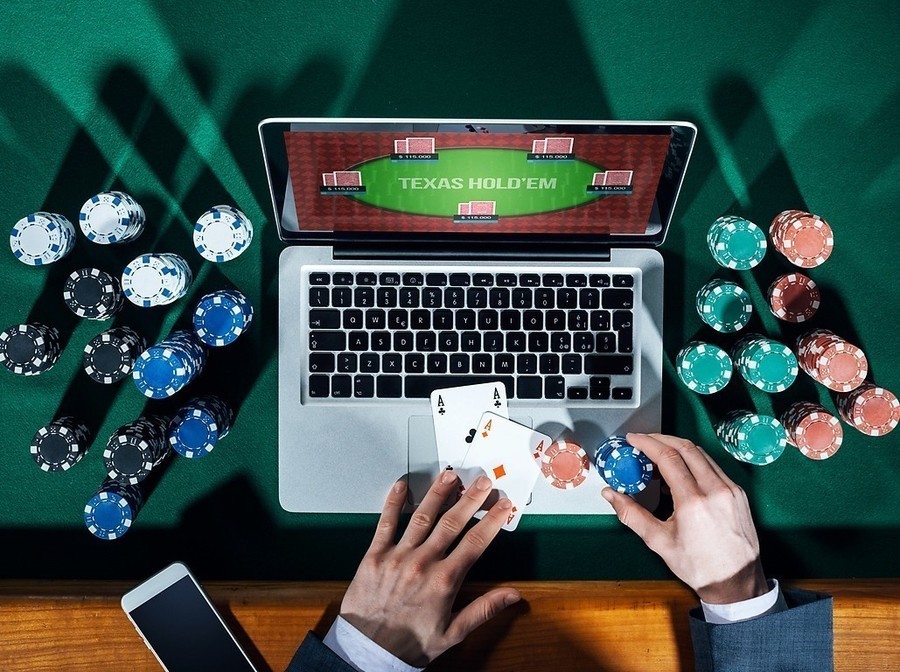
Explore the Thrill at Slots Shine Casino
At Slots Shine Casino, the excitement of gambling is front and center. With a wide selection of games powered by leading providers, players can experience the thrill of risk-taking firsthand. The casino offers generous bonuses and promotions that enhance the gaming experience, making it an ideal platform for both new and seasoned gamblers seeking that rush of excitement.
Moreover, with its user-friendly interface and 24/7 customer support, Slots Shine Casino ensures that players enjoy a seamless experience as they explore various games. Whether you prefer slots, table games, or live dealer options, there is something for everyone. Join today and delve into the world of gambling while embracing the psychology of risk and reward.
“`
